
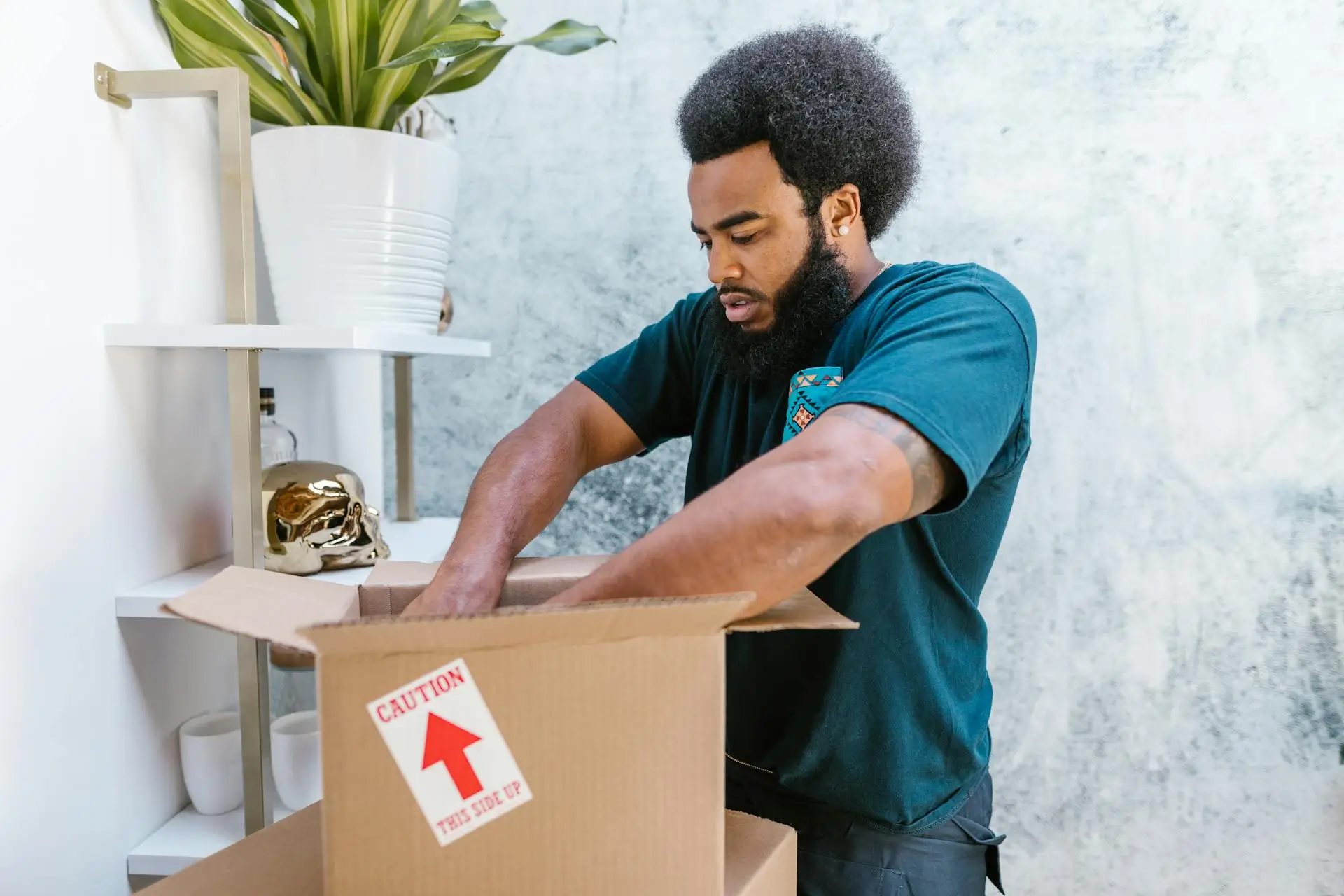

Professional packing help is often the quiet superpower behind a smooth move. If you’ve ever stood in the middle of a half-packed kitchen wondering how so many mugs exist in one home, you know packing isn’t just tape and boxes—it’s workflow, timing, protection, and a little bit of psychology. In this guide, I’ll show you how pros pack fast and safely, plus how you can borrow their best tactics (or decide where hiring help saves the most time and stress).
When Professional Packing Help Pays Off
There are moments when DIY packing just isn’t worth it: you’re on a tight timeline, you’ve got fragile or high-value pieces, or you simply want a guaranteed, labeled, and damage-minimized result. In those cases, booking King D Pro Movers’ packing & moving team inside your overall plan keeps the whole job coordinated—no handoffs, no finger-pointing, just one accountable crew.
Safety is another big reason to consider help. Lifting and carrying for hours is hard on the body, and professional crews are trained to stage items, distribute weight, and stack safely. For reference, the NIOSH safe lifting guidance explains how technique and load limits reduce injury risk—principles packing pros use every day.

12 Pro Tips You Can Use Right Now
1) Start With a Room Map
Pros walk the space first, then set a sequence (e.g., guest room → office → kitchen). That way, high-use rooms stay functional longer. Write your sequence on a sticky note and post it on the front door so everyone follows the plan.
2) Build “Packing Zones”
Create a table or corner for supplies—tape guns, markers, labels, bubble wrap. Keeping everything in one zone minimizes wasted steps and speeds you up more than you’d expect.
3) Pick the Right Box for the Job
Small boxes for heavy stuff (books, canned goods), medium for mixed items, and large for light/bulky (linens, pillows). Dish barrels for kitchenware; wardrobe boxes for hanging clothes. Wrong box = crushed contents or strained backs.
4) Two-Step Labeling (Room + Contents)
Pros label tops and two sides with the destination room and a 2–4 word summary (“Kitchen • Mugs/Glasses”). Add “FRAGILE” or “THIS SIDE UP” only when it truly matters so crews don’t get label fatigue.
5) Wrap Once, Cushion Twice
For fragile items, a quick layer of packing paper prevents scuffs; the real protection is cushion—paper bundles, foam, or towels around voids. If you hear clinking when you shake the box, add more cushion.
6) Tape Matters (More Than You Think)
Use quality tape and the “H-seal”: one strip along the seam and two across the edges. Double-tape the base of any box over 35 lbs. Cheap tape fails when humidity rises.
7) Stage Heavy to Light
Pack heavy items at the bottom and progressively lighter items above. It sounds obvious, but rushed packing does the opposite—and that’s when cracks happen.
8) Build a Real “Open-First” Kit
Put meds, chargers, basic tools, shower supplies, a few plates/cups, pet food, and a change of clothes in one tote you keep with you. That single tote prevents five frantic box hunts on night one.
9) Group “Like With Like”
Pros rarely create random “misc” boxes. Keep puzzle pieces together: all desk items in one group, all baking tools in another. Unpacking becomes 30% faster when categories stay intact.
10) Pre-Protect Furniture
Remove legs, bundle hardware in a labeled bag, wrap edges and surfaces with moving blankets, then plastic-wrap to hold padding in place. It’s the difference between “fine” and “uh-oh.”
11) Mind the Weight Limits
Cap most boxes at ~50 lbs. If you’re guessing, you’re probably over. Balance matters for both safety and truck loading efficiency.
12) Photograph the Tricky Stuff
Snap photos of cable setups, shelf layouts, and complex furniture assembly. You’ll reassemble faster and with less guesswork at destination.

DIY vs. Pro: A Practical Split That Saves Money
You don’t have to choose all-pro or all-DIY. Many families handle low-risk items (linens, books, toys) themselves, then book professional packing help for the kitchen, artwork, and electronics—the stuff that takes time and breaks easily. If you’re budget-minded, ask King D Pro Movers for a partial-packing quote that focuses the pros where they’ll save you the most.
How Pros Protect Fragile and Specialty Items
Kitchens, glass cabinets, and media rooms are the “breakage hotspots.” Pros use dish barrels, cell dividers, foam sleeves, and corner guards; they also stage a soft “landing zone” on tables while wrapping. For TVs and monitors, original boxes are best—but if you don’t have them, a snug foam-panel kit plus a tight wrap works. Artwork gets glass-face tape, corner protectors, and a rigid sandwich so canvases don’t flex.
Safety and Ergonomics You Shouldn’t Ignore
Packing can quietly turn into repetitive strain if you’re twisting and lifting for hours. Good crews keep boxes on a table (not the floor), switch hands now and then, and bend at the knees for heavier lifts. For deeper guidance on preventing strains, the CDC/NIOSH ergonomics page offers simple techniques that make a real difference on move day.
Timeline: A Realistic Packing Schedule That Works
Here’s a three-week outline that mirrors how pros pace the job—without losing your mind:
- T-21 to T-14 days: Declutter each room and order supplies (double-walled boxes, dish barrels, bubble wrap, labels, tape guns).
- T-13 to T-7 days: Pack low-use rooms (guest room, seasonal closet). Stage a “fragile zone” with foam and paper.
- T-6 to T-3 days: Pack bedrooms and office; photograph cable setups; prep furniture hardware bags.
- T-2 to T-1 days: Kitchen and decor; finalize the “Open-First” kit; pad and wrap furniture.
- Move day: Supervise load order (fragile last on, first off); keep the Open-First kit in your car.
Costs: What Affects the Price of Professional Packing Help?
Pricing depends on home size, item fragility, and timeline. Full-home packing is fastest but costs more; partial packing targets the breakage-prone rooms for the best ROI. Materials matter, too—dish barrels and wardrobe boxes aren’t cheap, but they prevent the kind of damage that ruins moving day. If you’re comparing options, a transparent, line-item quote from King D Pro Movers’ packing specialists makes it easy to adjust scope without surprises.
Common Mistakes (and How to Dodge Them)
- Random “misc” boxes: They waste unpacking time—keep categories tight.
- Overloaded cartons: The savings vanish if a bottom blows out on the stairs.
- Late labeling: Label as you go; you won’t go back later.
- Ignoring access: Tight stairwells and elevators require smaller cartons and extra padding.
- Skipping insurance/valuation: For high-value items, ask about options before move day.
The Bottom Line: Pack Like a Pro, or Hire One
You can borrow plenty of professional tactics—zoned work, right-sized boxes, disciplined labeling—and your move will run better immediately. But when time is short or breakables are many, booking professional packing help is the fastest way to turn chaos into an organized, protected shipment. If you want a precise, pressure-free estimate with line-item clarity, talk to King D Pro Movers’ packing & moving team and we’ll tailor a plan around your budget and timeline.
F.AQ
How far in advance should I book professional packing help?
Two weeks is a safe minimum, but in peak summer or at month-end you’ll want three to four weeks. Early booking secures better dates and lets you stage supplies without rushing.
Can I hire pros just for the kitchen and fragile items?
Absolutely. Many clients DIY linens, books, and toys while booking pros for kitchens, art, mirrors, and electronics. This partial approach balances cost with maximum protection.
What materials do professionals use that DIYers often skip?
Double-walled dish barrels, foam sleeves, corner guards, heavy moving blankets, quality tape, and proper void fill. These aren’t gimmicks; they prevent compression and shock damage.
How do I keep boxes from getting too heavy?
Use small boxes for dense items, cap most boxes around 50 lbs, and distribute weight. If you can’t comfortably lift a box, your movers shouldn’t have to either—split it into two.
Are there safety resources for lifting and packing?
Yes. Ergonomic guidance from the CDC/NIOSH covers safe lifting, posture, and repetitive-task tips. Pair that with a smart packing plan to reduce strain.