
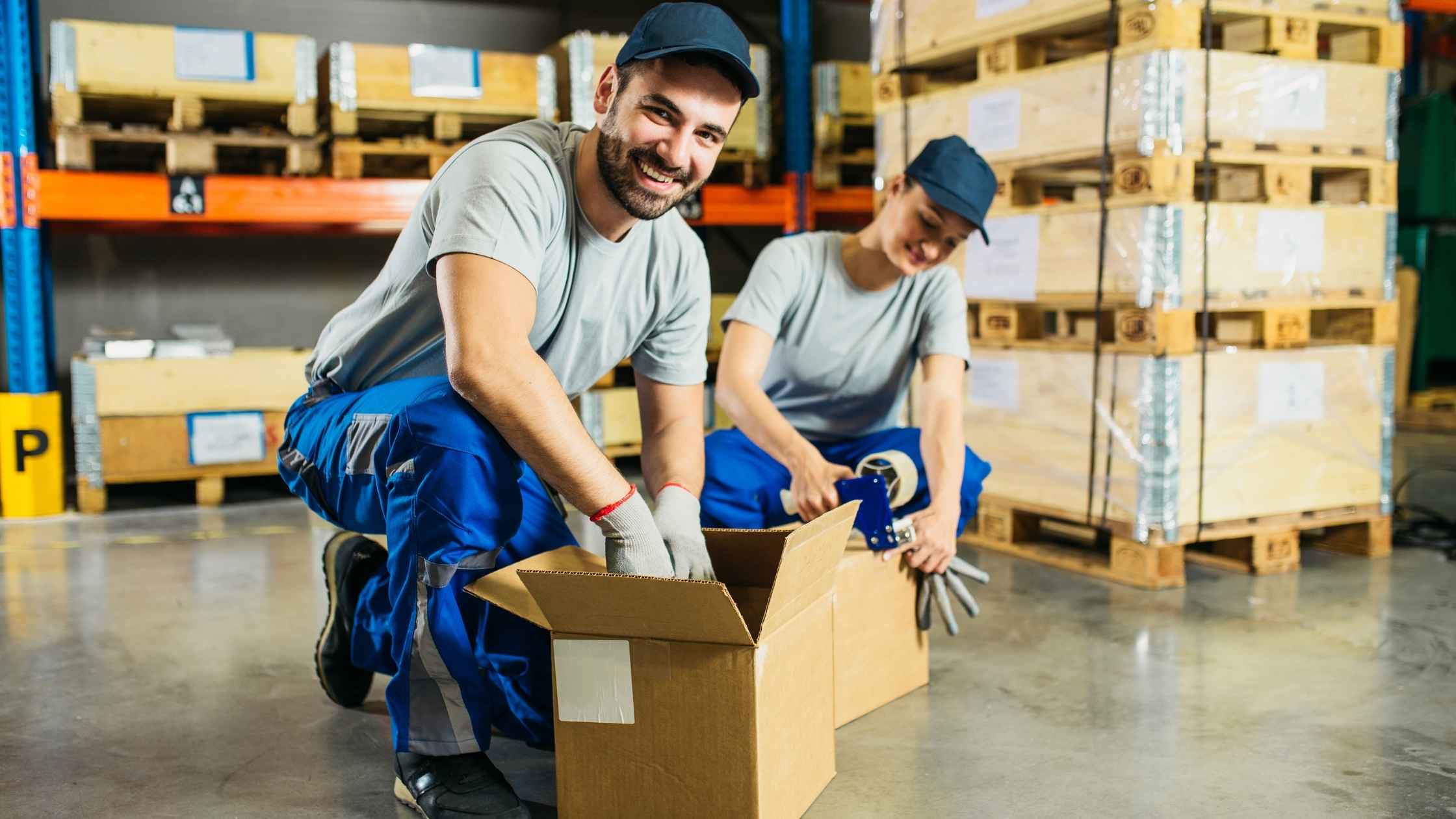

Moving can be a thrilling but stressful experience, especially when you have to pack up delicate and fragile items. These belongings—whether it’s fine china, vintage glassware, artwork, or electronics—need extra care to ensure they survive the move without damage. If you’re wondering how to pack fragile items for moving without breaking them, this guide is for you. We’ll take you through each essential step, from choosing the right materials to unpacking carefully, to ensure your delicate possessions reach their new home safe and sound.
If you don’t want to deal with the stress of packing fragile items yourself, you can check out our packing and moving services.
How to Pack Fragile Items: Choosing the Right Packing Materials
The beginning of any successful relocation starts with selecting the necessary packing materials. If fragile items are not properly protected, they will break no matter how carefully they are packed. Here’s a breakdown of what you’ll need:
Bubble Wrap: For almost every fragile item, bubble wrap is essential. Its air-filled chambers provide additional impact absorption and protection. Use multiple layers for extra fragile items. Make sure the item is completely wrapped with no surface uncovered.
Packing Peanuts: These lightweight foam pieces are ideal for filling empty spaces in boxes. They also stop delicate objects from moving around inside the box, thereby helping to reduce the risk of breakage during transit.
Foam Sheets or Foam Rolls: Foam is perfect for protecting electronics, mirrors, and artwork. Its dense, cushioned texture absorbs shocks and prevents scratches. Wrap delicate items using foam sheets or rolls.
Sturdy Boxes: When shipping fragile items, it’s necessary to use high-quality, double-walled cardboard boxes. These are stronger and better able to bear weight and pressure during transport. A sturdy box prevents crushing or compressing, ensuring your precious items are protected.
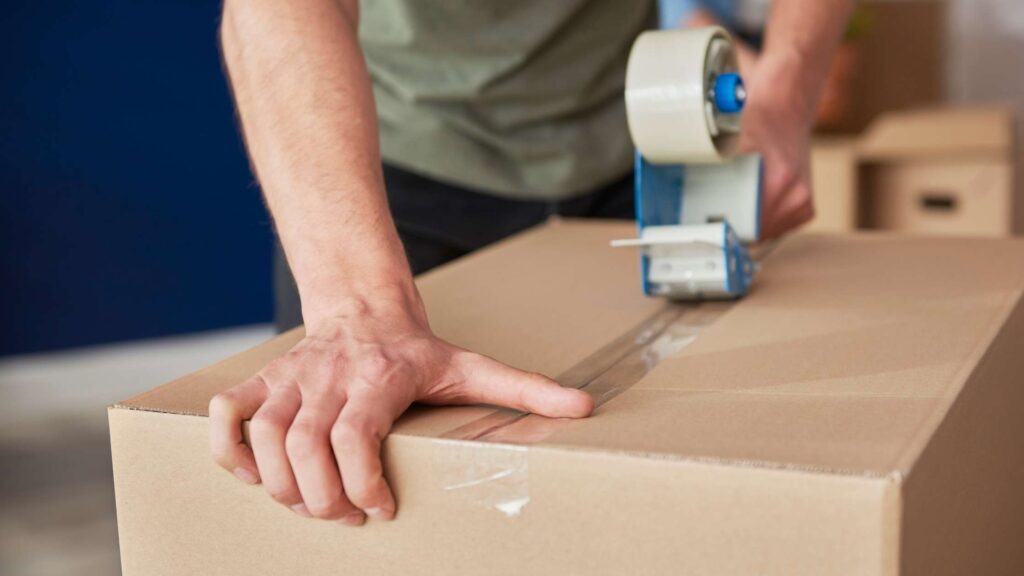
Packing Tape: The final step in securing your boxes is to close them with strong tape. Avoid using cheap, flimsy tape that might fail under pressure. High-quality packing tape will ensure your boxes remain tightly shut, safeguarding the contents.
If you’re environmentally conscious, consider using eco-friendly packing materials. There are now biodegradable packing peanuts, recycled paper, and even reusable padded blankets available. These alternatives are both sustainable and effective at protecting your fragile belongings.
How to Pack Fragile Items: Preparing Your Belongings for Safe Packing
Preparation is just as important as the wrapping itself when it comes to packing fragile items correctly. Before packing each item, it is necessary to wash, dismantle, and inspect each piece. Here’s how to prepare:
Clean Your Items: Dust, dirt, or oils on delicate items create a higher risk of scratches and damage while moving. Ensure that each item is cleaned thoroughly, especially for delicate pieces such as glassware or porcelain.
Remove Detachable Parts: If items such as lamps, electronic devices, and small appliances have detachable components like light bulbs, wires, or stands, remove them. This reduces the risk of damage and prevents smaller pieces from getting lost in the shuffle.
Wrap Delicate Parts Separately: If your item has particularly delicate sections (e.g., the neck of a vase, the corners of a painting), make sure to wrap these parts individually. This added safety feature will protect the item from unnecessary stress on its more vulnerable parts.
Good preparatory work ensures that every item receives the care it deserves before it’s packed. Not investing the effort to disassemble or coil small parts correctly will save time and effort in the long run.
Wrap Each Item Securely
Now comes the most important part of how to pack fragile items—the actual wrapping. When packaging fragile objects, your aim is to protect them from all sides, as well as prevent them from impact and compression. Here’s how to wrap some common items:
Glassware: Start by wrapping each piece of glassware individually with tissue paper, then layer bubble wrap over it. There should be a minimum of 2 layers of bubble wrap, particularly for very small or fragile glasses. Wrap the base of each item individually to prevent direct pressure on the most sensitive part of the glass.
Plates and Bowls: Stack plates and bowls in pairs or clusters of three, with tissue paper or wrapping paper between each item. Then wrap the entire stack in bubble wrap. Each plate should be wrapped with a separate layer of paper as a cushion, which will minimize friction and eliminate scratches. When working with a large number of items, consider stacking them upright like records in a container instead of on their sides. This helps distribute the load and limits the risk of breakage.
Electronics: Wrap electronics (e.g., televisions, radios, computers) in foam padding or foam sheets to prevent damage from shocks or indentation. Use additional bubble wrap or blankets for extra cushioning. Take extra care with cords and cables—remove and pack them separately to avoid tangling and potential damage.
Artwork and Mirrors: Protect your artwork and mirrors by first wrapping them in a layer of soft foam or bubble wrap. Then, fit cardboard corner guards on each corner to moderate the force on the edges. If the artwork is framed, add extra padding and consider placing the object in a purpose-built picture frame to protect it as much as possible.
For all fragile items, never leave any exposed areas. When wrapping, aim to add at least two layers of protection—whether it’s bubble wrap, packing paper, or foam. For the most sensitive pieces, like fine china or antique ceramics, custom crating or professional packing services should be used to provide the best possible protection.
Use Proper Box Size
Selecting the appropriate box size is one of the key steps in securely packing fragile goods. If your box is larger than necessary, it will allow your items to move around, increasing the chance of damage. A box that is too small will put unnecessary stress on the contents and may cause breakage as a result. Here’s how to ensure your boxes fit perfectly:
Use Smaller Boxes: For delicate items, such as glassware or electronics, smaller boxes are optimal. These boxes prevent movement and are less likely to get crushed under the weight of heavier items.
Don’t Overpack: The temptation to pack as much as possible into a single box to save space can lead to a higher risk of damage. Overpacking can result in cracks, scratches, or other damages. Leave enough space for padding materials.
Use Dividers: For delicate items, such as glasses, mugs, or wine glasses, use dividers inside the box. These partitions separate each object so they do not come into contact with each other, preventing breakage.
Packing fragile items requires careful thought about box size. It is best to have a snug fit with enough room for padding material on each side. Avoid overstuffing boxes—your fragile items deserve space and protection.
Label the Boxes Clearly
Labeling boxes properly is an essential aspect of how to pack fragile items. Labeling ensures that anyone moving your boxes knows which ones contain breakable goods, reducing the risks during the move.
Label Each Side: Ensure the “Fragile” label is visible on all sides of the box. This will help movers be more careful when handling the boxes.
Include Instructions: In addition to labeling the box as fragile, provide clear instructions such as “This Side Up” or “Handle with Care” to direct anyone carrying or handling the box.
Keep a List: Keeping a list of what’s inside each box is useful. It’s not necessary to describe each item in detail, but writing “glassware” or “china” on the box label helps you stay organized and quickly identify what’s inside.
Using a clear labeling system helps avoid misunderstandings during a move and ensures fragile items are handled carefully at every stage.
Fill in Empty Spaces with Padding
When learning how to properly pack fragile items, don’t forget the importance of filling gaps within boxes. Empty space in the box provides the opportunity for items to shift during shipment, which increases the possibility of damage. Here’s how to prevent this:
Use Packing Peanuts: Fill empty spaces surrounding delicate items with packing peanuts. This prevents items from shifting too much and adds another layer of cushioning.
Crumpled Paper: If packing peanuts aren’t available, crumpled paper or even newspapers can be used to fill spaces and prevent movement.
Air Pillows: Lightweight air pillows are another excellent alternative to packing peanuts. They offer cushioning in a convenient, easy-to-handle way without creating a mess.
When packing delicate items, make sure they are stable and don’t move in the box by filling the empty spaces. Adequate padding is essential to prevent movement during transport.
Place Fragile Items in the Moving Vehicle Carefully
Fragile items must be carefully packed into the moving truck or car. Here’s how to place them in a way that minimizes the risk of breakage:
Position Fragile Boxes First: Place boxes with fragile items along the side of the truck or vehicle, so they’re not as susceptible to being crushed. Position them at the front or top to keep them safe from larger, heavier objects.
Don’t Stack Heavy Items on Top: Avoid stacking heavy boxes on top of light ones, as this may place unnecessary pressure on the fragile boxes. Place heavier objects at the bottom and more delicate items on top.
Secure the Load: Secure the boxes inside the vehicle using straps or bungee cords. This prevents the boxes from shifting or sliding during transport, reducing the risk of damage.
The safe transport of fragile items also depends on securing them properly in the vehicle. Ensure there is no unnecessary shifting or pressure placed on the boxes.
Unpacking Tips for Fragile Items
Once you’ve arrived at your new home or office, proper unpacking is just as critical as packing. Here are a few tips to help you unpack fragile items safely:
Open Boxes Slowly: Open boxes carefully and remove the top layers first. This gives you a chance to inspect each item and ensure everything is intact.

Inspect for Damage: As you unpack, check each item for any visible damage. If something has broken, make a note of it, especially if you have insurance or need to file a claim.
Keep Packaging for Special Items: If you need to transport fragile items again in the future, keeping the original packaging can be extremely helpful. Manufacturer packaging is usually designed to keep delicate items protected.
Unpacking with care ensures that the fragile items you’ve worked hard to protect are handled with respect and care during the final step of the process.
Final Thoughts
Knowing how to pack fragile items for a move is a vital skill that can save you time, money, and stress. By carefully selecting the right materials, using the correct box sizes, and labeling your boxes properly, you ensure that your fragile items arrive at their destination safe and sound.